How to Buy Physical Gold Investing in physical gold can be challenging for investors more accustomed to trading stocks and bonds online. When it pertains to physical gold, you'll normally be connecting with dealerships outside of traditional brokerages, and you'll likely need to pay for storage and acquire insurance coverage for your investment.
Gold Bullion When many people think of investing in gold, bullion is what they believe ofbig, shiny gold bars locked away in a vault. Gold bullion comes in bars ranging from a few grams to 400 ounces, but it's most commonly available as one- and 10-ounce bars. Considered that the current gold rate is around $1,900 per ounce (as of September 2020), this makes investing in gold bullion a pricey proposal.
Collectible coins, such as South African Krugerrands, Canadian Maple Leafs and American Gold Eagles, are the most extensively readily available type of gold coins. Gold coin costs might not entirely line up with their gold material.
Initially, you need to take care about jewelry purchases as not all secondhand jewelry is offered by reliable dealerships. Not only does credibility matter to youbut it will likewise matter to anyone you try to resell the piece to. This makes it vital you purchase financial investment precious jewelry from a respectable dealer and acquire as much documents as possible.
Because this indicates buying the stocks of gold mining companies, you can invest using your brokerage account. Some of the most popular stocks in this sector include: Newmont is the world's biggest gold mining company, headquartered in Colorado. It runs mines in North and South America in addition to Africa.
Purchase Gold ETFs and Gold Shared Funds Purchasing gold ETFs and shared funds can supply you with exposure to gold's long-term stability while providing more liquidity than physical gold and more diversification than individual gold stocks. There are a series of different types of gold funds. Some are passively managed index funds that track market trends or the cost of bullion using futures or options.
Futures and alternatives are derivatives, implying their worth is based entirely on the rate of a hidden possession. A futures agreement is an arrangement to purchase or sell a security for a set price on a particular date, regardless of the present market conditions. An alternatives agreement, on the other hand, is an arrangement that gives you the choice to buy or sell a security if it reaches a certain cost on or before a specific date.
Many online brokerages permit trading in these securities, however they may need account holders to sign additional types acknowledging the threat of buying these derivatives. When you've developed a brokerage account to trade alternatives or futures, you can buy and sell them straight through the platform. Most platforms charge a commission for all alternatives and futures trades that differs based upon the number of contracts you buy or sell.
In addition, each of these alternatives consists of a specific degree of leverage, or financial obligation, by default, so financiers who overuse them and experience market losses can see their losses install quickly. Should You Purchase Gold? If you're concerned about inflation and other calamities, gold may offer you an investing safe house.
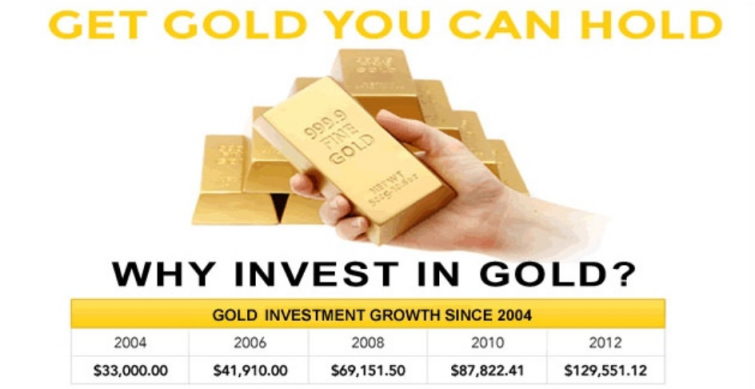
Gold is no different. But the idiosyncratic gold market isn't forgiving and takes a very long time to learn. This makes gold ETFs and mutual funds the most safe choice for a lot of investors aiming to add a few of gold's stability and sparkle to their portfolios.